
The slot machine in your pocket: why tap-to-earn feels like gambling
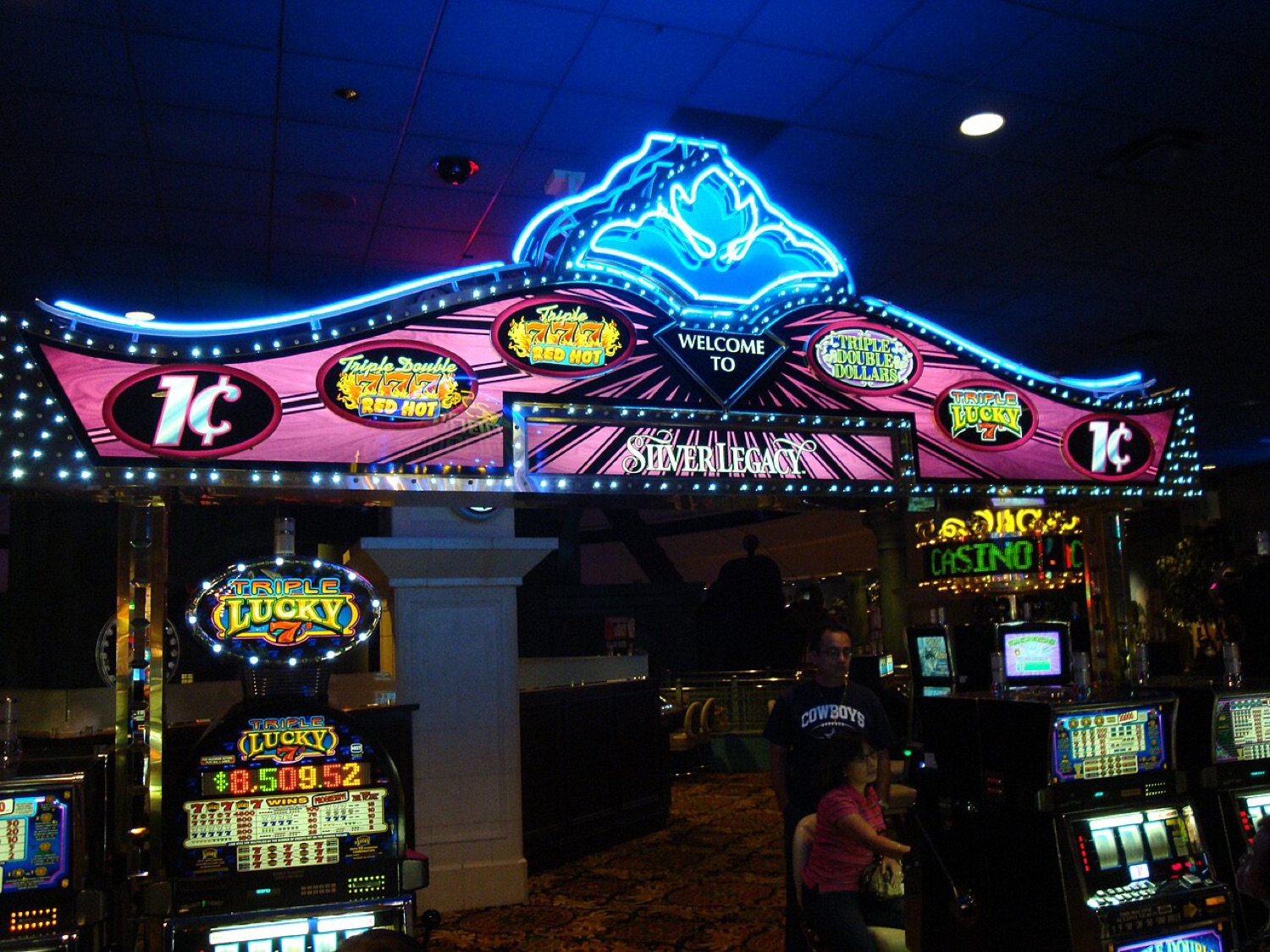
Variable rewards, near misses, streaks and flashing coins: tap-to-earn games borrowed many hooks from the slot machine. Here is the psychology behind both.
The tap-to-earn games that swept Telegram in 2024 had no reels, no lever and no jackpot bell. Yet many players described them in the same words people use for slot machines: "just one more", "I'll stop after this", "I can't leave it alone". That is not an accident.
Variable rewards
In the 1950s the psychologist B. F. Skinner found that animals pressed a lever most persistently when rewards came on an unpredictable schedule rather than a fixed one. Slot machines are the purest human example: any spin might pay, so every spin feels worth taking. Tap-to-earn games used the same trick with random bonuses, surprise multipliers and mystery boxes.
Near misses
Two cherries and a lemon feel like almost winning, even though a loss is a loss. Studies suggest near misses activate reward-related areas of the brain and encourage people to keep playing. Games added their own versions: daily puzzles where you get two of three cards right, or a progress bar that stops just short of the next level.
Losses disguised as wins
Modern slots often celebrate a payout that is smaller than the stake with lights and music, so the player feels they won while their balance went down. Tap games did something similar with huge, ever-growing point totals that looked impressive but had no fixed value until the token launched.
Streaks and daily rituals
- Daily login rewards that reset if you miss a day.
- Timers that refill your energy every few hours.
- Combos and codes released once a day, discussed in thousands of chats.
- Leagues and leaderboards that push you to tap more than your friends.
Where the line is
Regulators have argued for years about where games end and gambling begins. In 2018 Belgium's gaming authority concluded that some paid loot boxes in video games counted as gambling. Tap-to-earn games mostly avoided the question because players did not pay to tap, but the airdrop at the end made the prize real. The story of the craze itself is told in tap-to-earn: the 2024 clicker craze.
Knowing the hooks
None of these techniques are secret, and knowing them changes how a game feels. When you notice the near miss, the streak and the confetti, you can enjoy the show without being pulled along by it. That applies to a casino floor in Reno and to a hamster on your phone.