
Lucky charms and table superstitions: from horseshoes to golden poop
Horseshoes, the number 8, blowing on dice, never counting chips at the table and golden poop charms: the world's favourite casino superstitions and where they come from.
Casinos are temples of probability, and yet they are full of rituals that have nothing to do with maths. Players tap the table, avoid certain seats, wear lucky shirts and carry charms. Here are the most common superstitions and the stories behind them.
Horseshoes
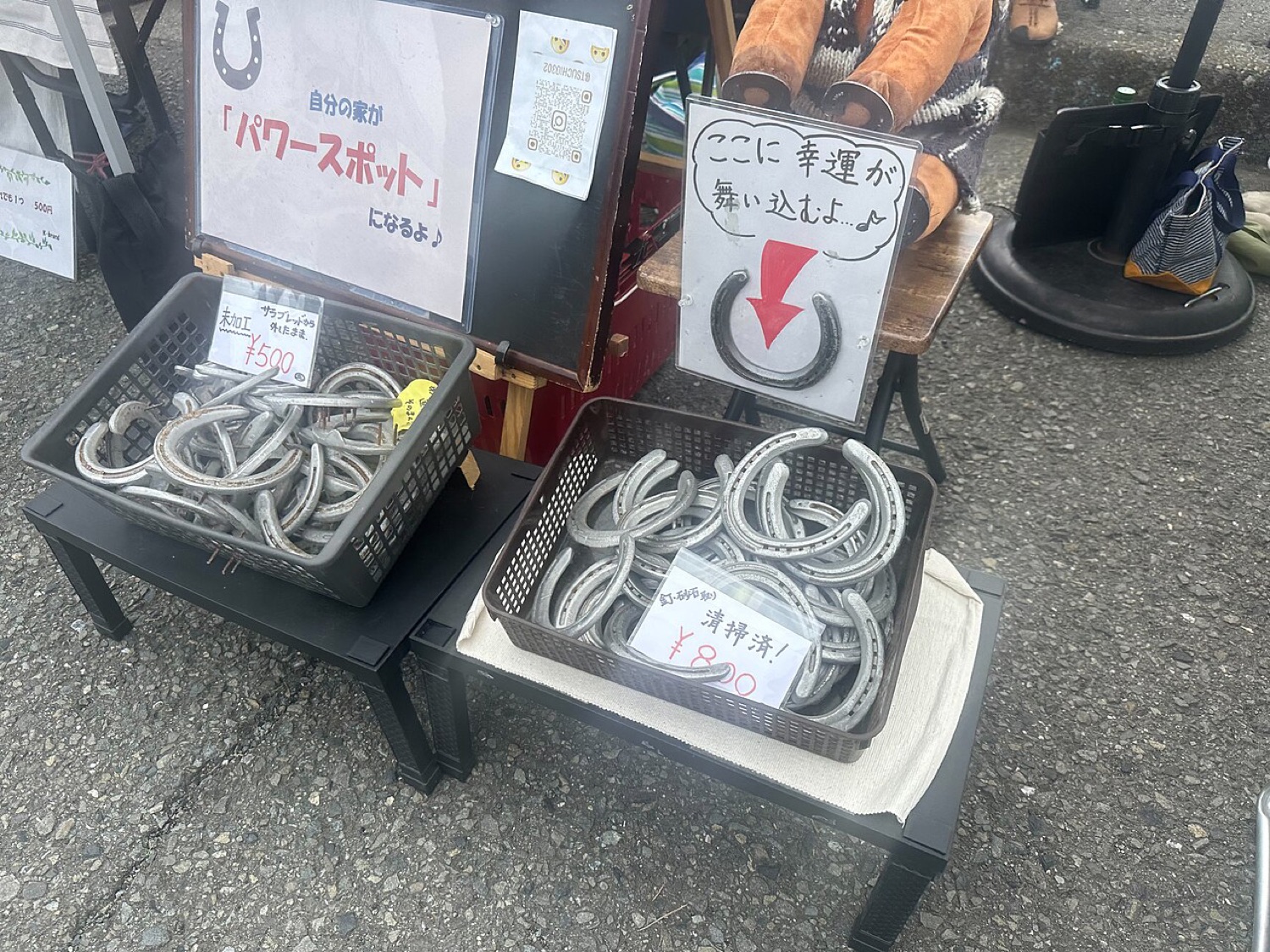
A horseshoe has been a good-luck charm in Europe for centuries. Iron was thought to ward off evil, and horses were valuable. Many people hang them with the ends pointing up so the luck does not "run out". In Japan horseshoes are sold as lucky souvenirs, as the shop table in our photo shows.
Numbers
- 8 is lucky in Chinese culture because it sounds like the word for prosperity. Casinos in Macau and elsewhere are full of it.
- 4 is avoided because it sounds like the word for death; some hotels skip the fourth floor.
- 13 is unlucky in much of the West, and some buildings have no thirteenth floor.
At the table
- Blowing on dice before a roll, a habit as old as craps itself.
- Never counting chips while still seated, which is said to bring bad luck.
- Squeezing cards slowly in baccarat to "coax" a good result.
- Lucky seats and dealers that players follow from table to table.
Golden poop
Our favourite comes from Japan. The word for poop, unko, contains un, which can mean luck, so little golden poop figures are sold as charms for good fortune. Some pachinko and lottery players carry one. The same idea, that droppings bring money, appears in many countries, as we explain in why bird poop is supposed to be lucky.
The Monte Carlo fallacy
The most expensive superstition is not a charm but a thought: "red has come up so many times, black must be due." On a famous night at Monte Carlo in 1913, the ball reportedly fell on black 26 times in a row, and players lost fortunes betting that red was overdue. Each spin is independent; the wheel has no memory. The maths behind that wheel is explained in meme coin or roulette wheel.
Why rituals persist
Psychologists suggest rituals give people a sense of control in situations ruled by chance, and they make the experience more personal and more fun. A charm cannot change the odds, but it can change the mood, and for many players the mood is the point.