
Why bird poop on your head is supposed to be lucky
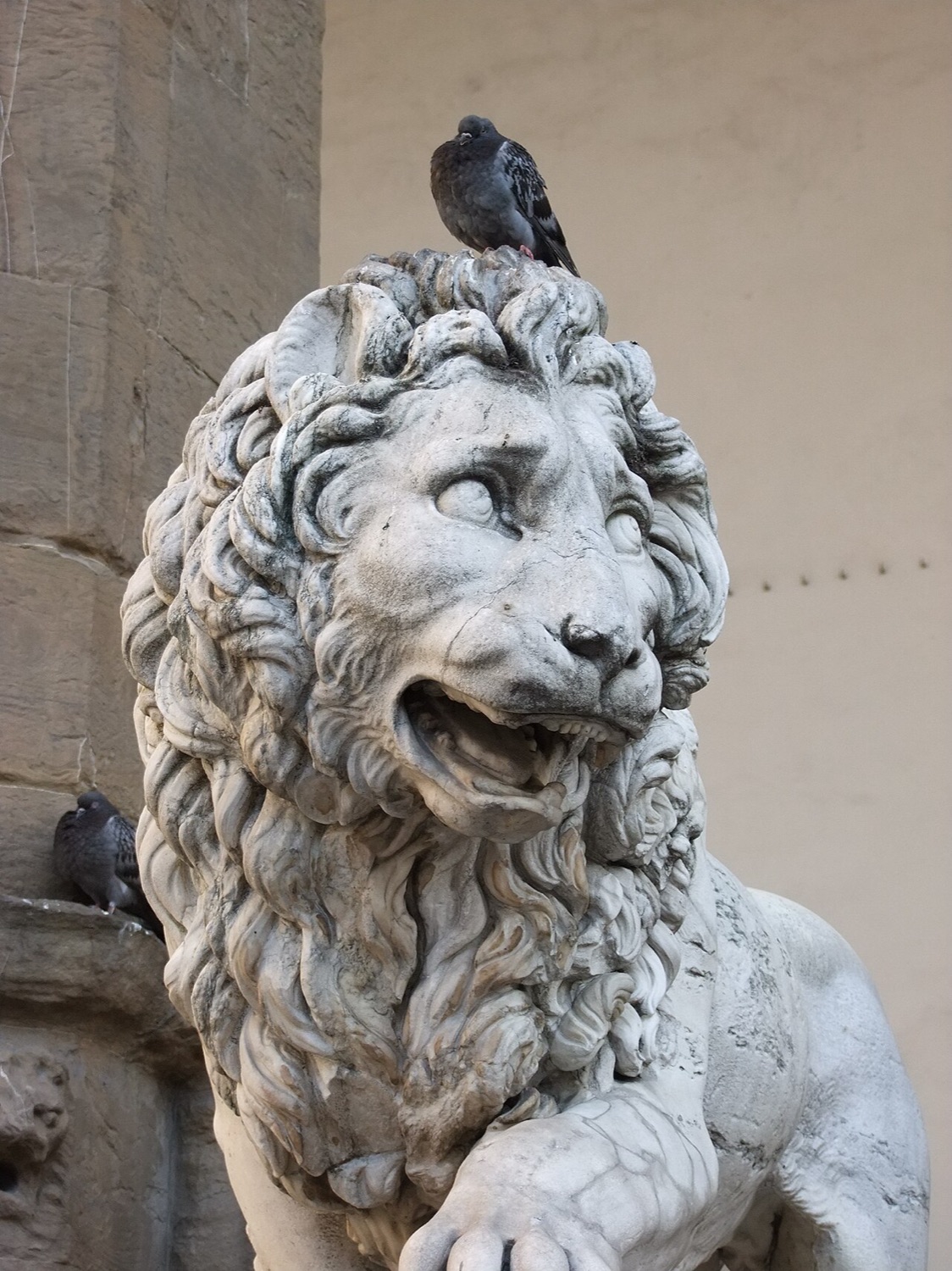
In Russia, Italy and many other places, a bird dropping on your shoulder is a sign of money to come. We look at where the belief comes from and why people believe it.
You are walking down the street, minding your own business, when a pigeon scores a direct hit. In much of the world, the correct response is not only "ugh" but also "maybe I should buy a lottery ticket".
A belief shared across countries
The idea that bird droppings bring luck, and especially money, turns up in many cultures. In Russia people often say it means wealth is coming. Italians, Turks and many others share versions of the same idea. In France a related saying claims that stepping in dog mess with your left foot brings good fortune. It is one of those beliefs that nobody really holds and almost everybody quotes.
Why would anyone think that?
Folklorists usually point to a few simple ideas:
- Rarity. Being hit by a bird is unlikely, so it feels like being chosen by fate.
- Turning bad into good. A lucky interpretation is a way to laugh off an unpleasant moment.
- Manure means plenty. In farming societies, dung meant fertile fields and good harvests.
Japan adds a pun. The word for poop, unko, contains un, luck, and golden poop charms are sold as lucky trinkets. The same country made the pile of poo into a cute character long before it became the 💩 emoji on every phone.
Lucky droppings and games of chance
It is no surprise that this belief leads straight to betting. People who play the lottery, bingo or slots are among the most enthusiastic collectors of omens. Some will buy a scratch card right after a bird incident or play a number linked to the date. Superstition has no effect on the odds, of course: a slot machine's random number generator does not know what landed on your coat that morning. But rituals make the experience feel more personal, and that is a big part of why people play.
Casino floors are full of these habits, from lucky seats to blowing on dice. We gathered the most common ones in a separate piece on lucky charms and table superstitions.
What science says
Psychologists who study luck find that people who consider themselves lucky tend to notice opportunities more and recover from setbacks faster. A bird dropping cannot change your fortune, but treating it as a good sign might lift your mood, and a good mood rarely hurts.
And if you want to avoid the whole experience, the old advice still stands: do not stand directly under a statue in a busy square.