
What actually is a meme coin? Attention with a ticker
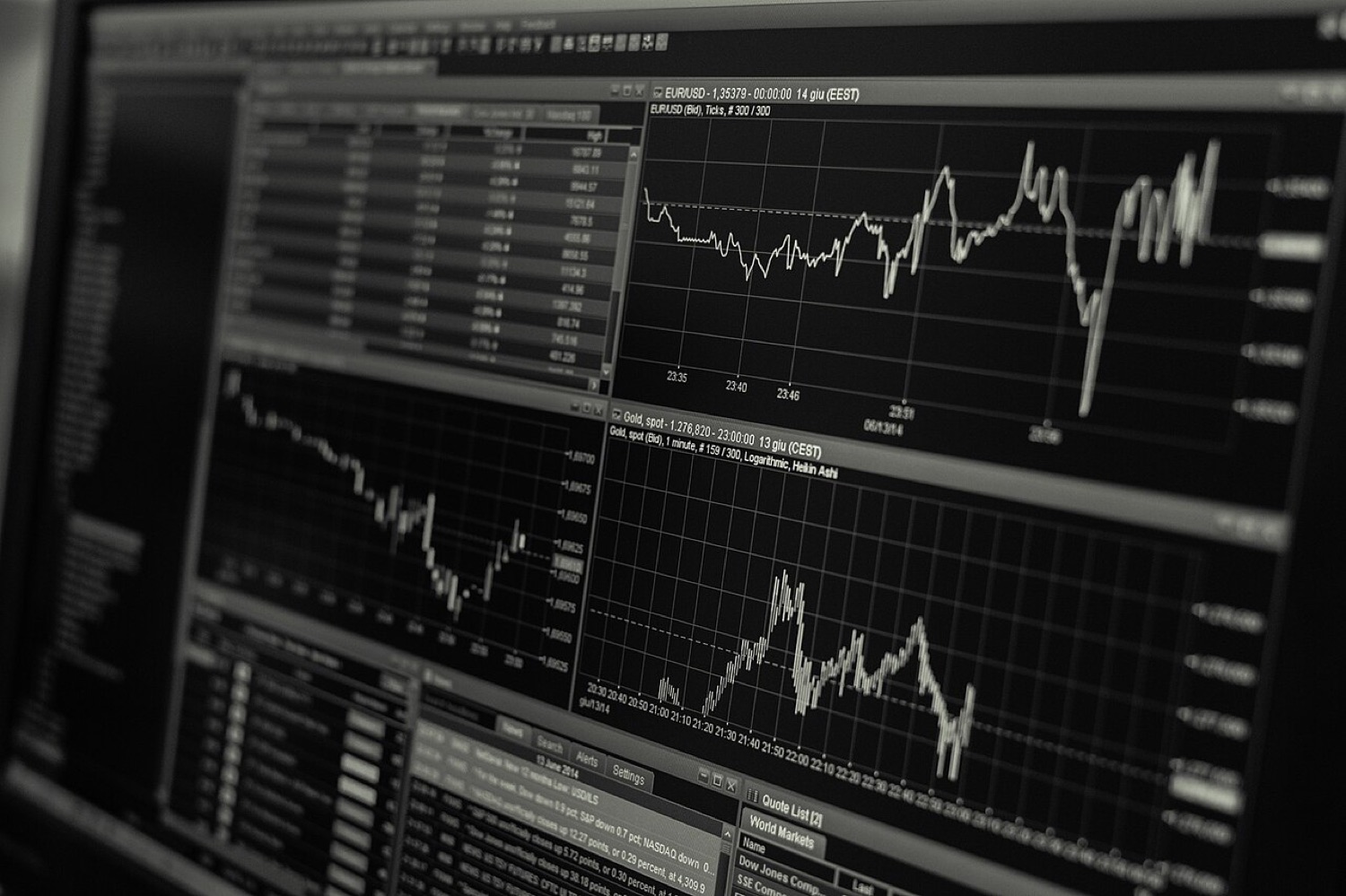
A meme coin has no profits, no products and no promises, only a joke, a community and a price. That is not a bug; it is the whole design. Here is how they work.
Ask ten crypto fans what a meme coin is and you will get ten answers, most of them involving a dog. The simplest definition is this: a meme coin is a token whose value comes almost entirely from attention, humour and community rather than from any business underneath it.
What a meme coin is not
A share in a company gives you a claim on profits. A government bond pays interest. Even many crypto tokens are tied to a network that charges fees. A typical meme coin has none of that. There is no revenue, no dividend and often no product. Its creators may promise "utility" later, but the price usually moves on jokes, influencers and mood.
How a meme coin is born
Creating a token today takes minutes and a small fee. On popular blockchains such as Solana, Ethereum, Base and TON, anyone can launch a coin with a name, a picture and a supply. In 2024 launchpad sites made the process so easy that new tokens appeared by the thousands every day. Almost all of them faded within hours.
- Name and mascot: a dog, a frog, a cat, a hat, a pile of poo.
- Supply: often huge, in the billions or trillions, so each token looks cheap.
- Liquidity: a pool on a decentralised exchange so people can trade.
- Community: a Telegram chat, an X account, stickers and memes.
Why people buy them anyway
Meme coins are fun. They let people join a joke and a community at the same time. They also offer a chance, usually a small one, of a spectacular gain, and stories of early buyers turning pocket money into fortunes spread fast. That combination of entertainment and a long-shot payout is closer to a lottery ticket than to an investment, and it is why we cover the two side by side. Our comparison of a meme coin and a roulette wheel looks at the maths.
The attention cycle
Most meme coins follow a familiar arc. A launch, a sudden burst of buying, a peak when the story is everywhere, then a long fade as attention moves to the next joke. A handful, like Dogecoin, become cultural fixtures. Most end as screenshots.
| Stage | What usually happens |
|---|---|
| Launch | Tiny market value, early insiders and bots buy first |
| Hype | Memes spread, the chat grows, the price climbs fast |
| Peak | Media coverage, latecomers arrive, early holders sell |
| Fade | Volume dries up, the chat goes quiet |
Reading a meme coin with clear eyes
KAKAXA is a journal, not a trading desk, and we never tell anyone what to buy. But understanding the mechanics makes the culture more interesting: who controls the supply, how the liquidity works, and why so many coins share the same few mascots. Those questions are covered in our guides to tokenomics and to rug pulls.