
Before the flush: a short history of the toilet
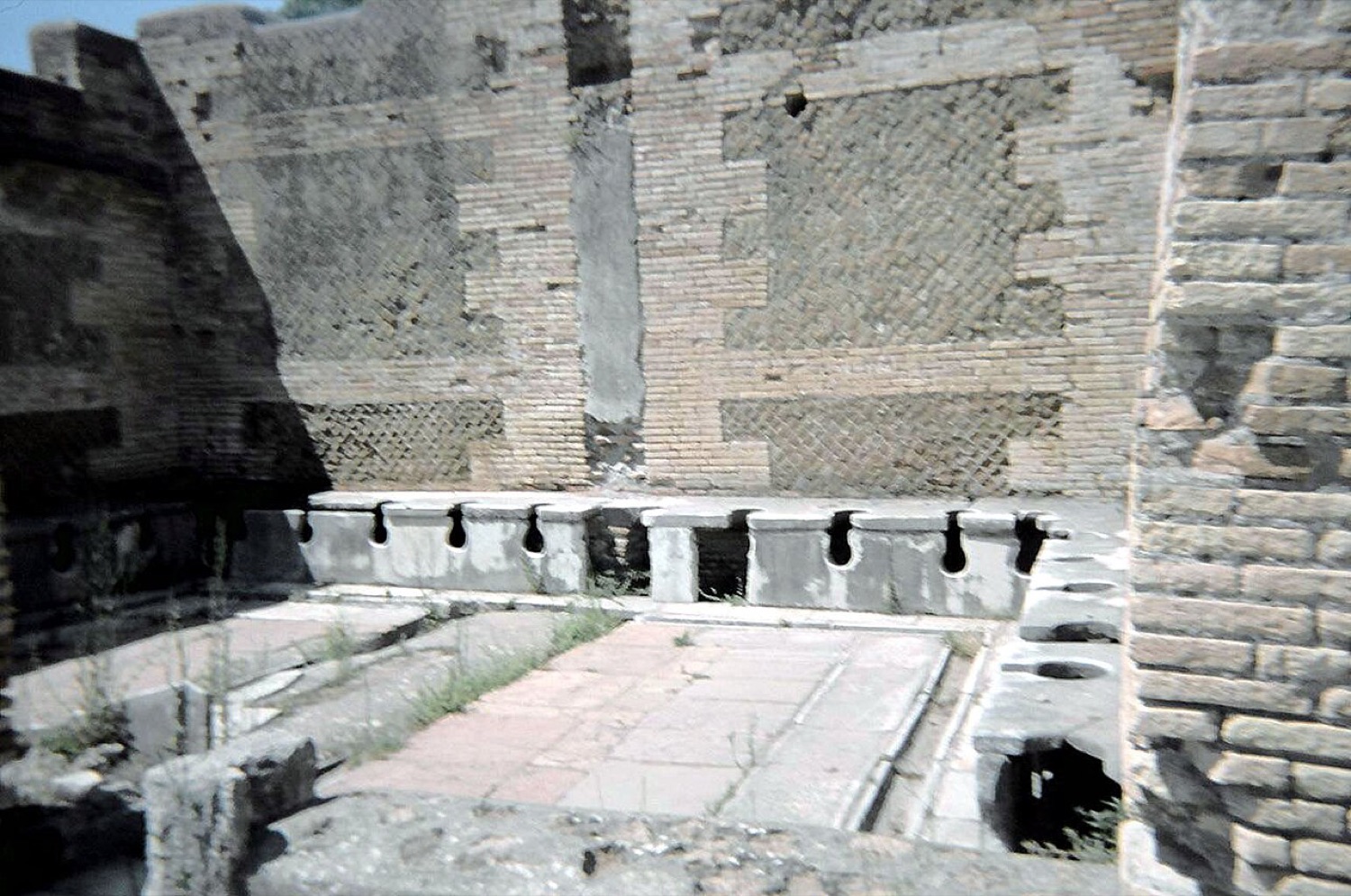
From the drains of the Indus Valley to Roman communal latrines and the first flushing loo for an English queen, the toilet has a long and surprisingly social history.
Every civilisation has had to answer the same question: where does it go? The answers are a good guide to how people lived, what they valued and how much they were willing to share with their neighbours.
The Indus Valley: drains before kings
Some of the earliest sophisticated sanitation comes from the cities of the Indus Valley, such as Mohenjo-daro and Harappa, more than four thousand years ago. Many houses had a washing area and a toilet connected to covered brick drains that ran along the streets. Archaeologists still admire the planning: the drains had inspection holes so they could be cleaned.
Rome: sitting together
Ancient Rome made the toilet a public and social space. Large cities had public latrines, long stone benches with a row of keyhole-shaped openings over a channel of running water. There were no partitions. People sat side by side, talked and, presumably, exchanged gossip. The ruins at Ostia, the old port of Rome, are among the best preserved.
Romans also loved games of chance. Dice made of bone and knucklebones turn up all over the empire, and gaming boards are scratched into the steps of public buildings. Whether anyone rolled dice in the latrine is not recorded, but the Romans clearly gambled wherever they had time to kill. If you are curious how a modern dice roll is checked for fairness, read our explainer on provably fair dice.
Medieval castles and chamber pots
After Rome, much of Europe took a step backwards. Castles had garderobes, little rooms built out over the walls with a chute down to the moat. Town dwellers used chamber pots and, notoriously, emptied them into the street. Cesspits were dug out by night-soil workers, an unpleasant but well-paid trade.
The first flush
In the 1590s the English courtier and writer John Harington designed a flushing water closet and installed one for his godmother, Queen Elizabeth I. It used a cistern and a valve, and it worked. It did not catch on, partly because few houses had running water or sewers to receive the waste.
The real breakthrough came in 1775, when the watchmaker Alexander Cumming patented a toilet with an S-shaped bend in the pipe. Water sitting in the bend blocked the smell from the drain below. Joseph Bramah improved the valve a few years later, and versions of the S-bend, later the U-bend, are still in almost every bathroom today.
A penny for a seat
At the Great Exhibition in London in 1851, the plumber George Jennings installed public flushing toilets and charged visitors a penny to use them. Hundreds of thousands paid, and the phrase "spend a penny" entered British English. The toilet had become a business, and within a few decades flushing toilets were a mark of a modern home.
| Era | Solution | What it tells us |
|---|---|---|
| Indus Valley, c. 2500 BCE | House toilets and covered street drains | Careful city planning |
| Roman Empire | Public latrines over running water | Toilets as social spaces |
| Middle Ages | Garderobes, chamber pots, cesspits | Little public infrastructure |
| 1596 and 1775 | Harington's flush, Cumming's S-bend | Engineering meets comfort |
Next time you flush, remember: you are using one of the most important public health inventions ever made.