
Bankroll thinking: what poker players know about money for fun
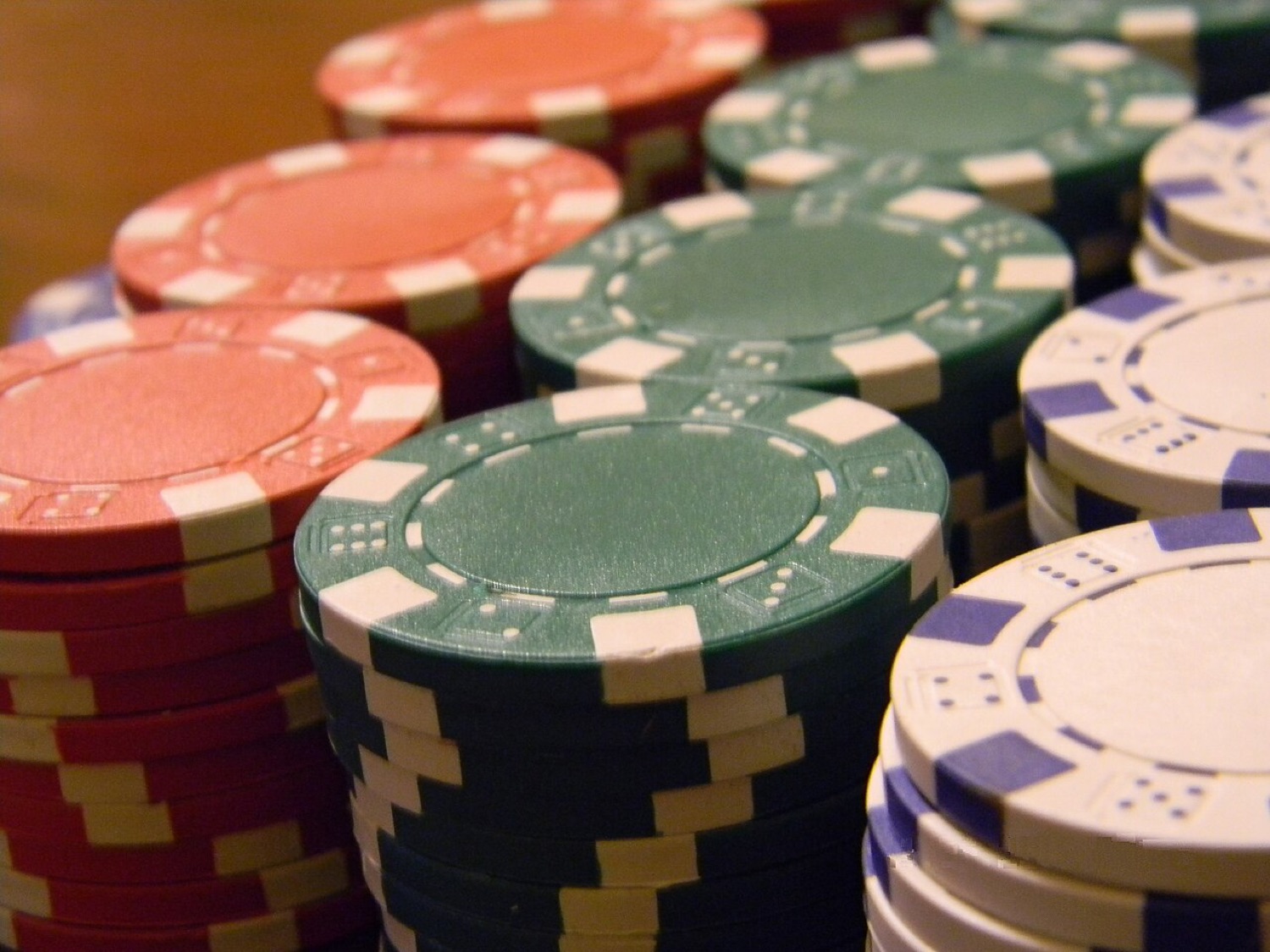
Professional poker players never sit down without a bankroll plan. The same habit, a fixed budget for entertainment money, makes sense for any game of chance, and for meme coins too.
Ask a serious poker player how much they are willing to lose tonight and you will get a precise answer. That is bankroll management, and it is the single most useful idea poker has given the rest of the world.
What a bankroll is
A bankroll is money set aside only for playing. It is not rent money, savings or anything you need. Poker players keep it separate so that a bad run at the tables never touches the rest of their life. The bankroll is the fuel; when it runs out, the game stops.
Units and stakes
Poker players think in units, a fixed fraction of the bankroll. A common rule of thumb is to keep many buy-ins in reserve for the stakes you play, so that ordinary bad luck cannot wipe you out. The exact number varies by game, but the principle is constant: the smaller each bet is relative to the whole, the longer you can play through variance.
Variance is real
Even a skilled player loses often. Cards, dice and wheels produce long losing streaks purely by chance. Bankroll rules exist because variance does not care about skill, mood or how overdue a win feels.
Session rules
- A loss limit for the session, decided before you start.
- A time limit, because tired players make poor decisions.
- A win goal, after which some players lock away part of the profit.
- No chasing. Trying to win back losses with bigger bets is the classic way bankrolls die.
The Kelly idea
In 1956 the scientist John Kelly published a formula for sizing bets when you have an edge. Its practical lesson for everyone else is simpler: when you do not have an edge, as in almost every casino game, there is no bet size that turns the odds in your favour. Bet sizing only decides how long the entertainment lasts.
From the card room to the meme chart
The same thinking fits meme coins perfectly. They behave like long-shot bets, with lopsided outcomes and unknown odds, as we explain in what actually is a meme coin. Treating that money as an entertainment budget rather than an investment takes the drama out of the chart. This is not financial advice; it is just the oldest habit at the poker table.