
Dung beetles: nature's original poop economy
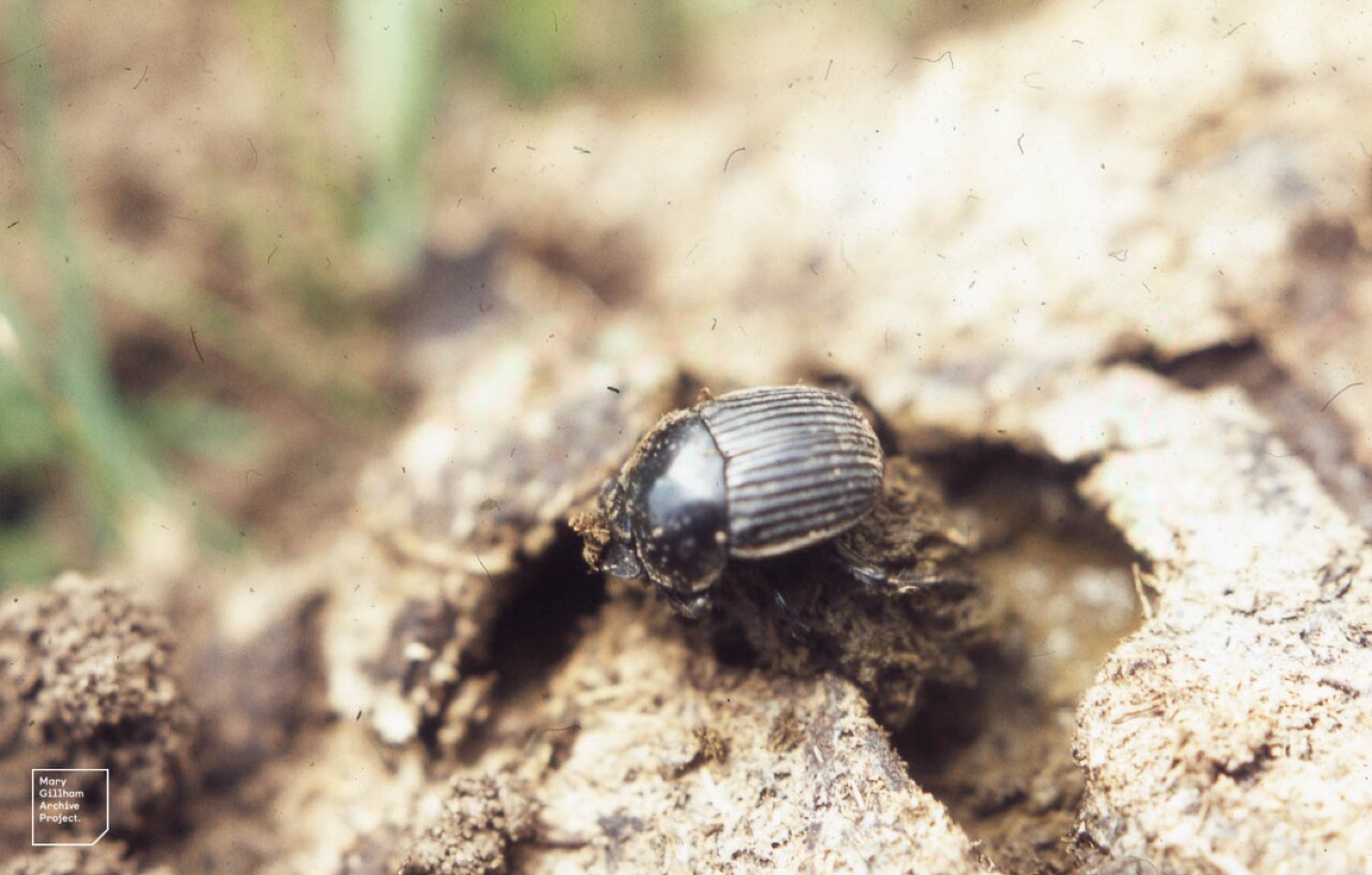
They roll it, bury it, eat it and fight over it. Dung beetles run one of the oldest and most efficient economies on the planet, and the ancient Egyptians worshipped them for it.
Long before anyone tried to put a price on poop, dung beetles had built an entire economy around it. There are thousands of species, found on every continent except Antarctica, and for many of them a fresh pile of dung is food, nursery and real estate all at once.
Rollers, tunnellers and dwellers
Scientists usually sort dung beetles into three groups by how they handle the goods:
- Rollers shape dung into a ball and roll it away, sometimes over long distances, to bury it somewhere safe.
- Tunnellers dig straight down beneath the pile and drag dung into their burrows.
- Dwellers simply move in and live inside the dung pile.
Rollers are the famous ones, and with good reason. A ball of dung is valuable property, and other beetles regularly try to steal it. A roller has to move fast and in a straight line to escape the competition. Any meme-coin trader who has watched a hot token get sniped will recognise the dynamic.
Navigating by the Milky Way
In 2013 researchers in South Africa showed that some dung beetles use the glow of the Milky Way to keep a straight course on moonless nights. When the scientists fitted beetles with tiny caps that blocked their view of the sky, the insects wandered in circles. It was the first time an animal had been shown to orient itself by the galaxy.
Sacred scarabs
The ancient Egyptians saw the sacred scarab rolling its ball across the sand and imagined the god Khepri pushing the sun across the sky. Scarab amulets were among the most popular charms in Egypt, carved from stone and glazed in blue and green, and they were placed with the dead to help them be reborn. Few insects have ever enjoyed a better reputation.
An economy worth billions
Dung beetles are not just curiosities. By burying dung they return nutrients to the soil, aerate pastures and remove breeding grounds for flies and parasites. When cattle were introduced to Australia, native dung beetles, adapted to marsupial droppings, ignored cow pats, and pastures were smothered. From the 1960s scientists introduced dozens of foreign dung beetle species, and around two dozen became established. Farmers have been grateful ever since.
What beetles teach us about value
A ball of dung is worthless to almost everyone and priceless to a beetle. That is a fair summary of how markets work: value lives in what someone is willing to fight for. It is also, as we explain in what actually is a meme coin, the whole idea behind tokens built on nothing but attention.